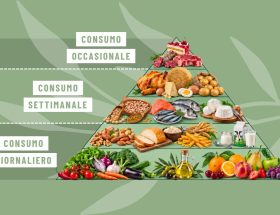
When temperatures rise, our body needs some extra attention. Whether your holiday is at the seaside, in the mountains or in the city, following a few simple rules helps you stay hydrated, support energy levels and face the heat safely.
In this article we have decided to offer you reliable advice on summer nutrition thanks to Dr. Raffaella Cancello, nutritional biologist, specialist in Food Science and PhD in Neuroscience.
She carries out nutritional consultancy and research activities at the IRCCS Istituto Auxologico Italiano in Milan.
So let’s see what to eat and drink in summer to support hydration, maintain energy and face the hottest days with greater well-being.
1. Light protein and balanced meals
“Even in summer, it is important to take an adequate amount of protein.
Fish, legumes, eggs, white meats and dairy products can be included in a balanced diet, preferring simple steaming, baking, grilling or foil cooking and limiting frying and very elaborate preparations, limiting frying and very elaborate preparations.
For fish, it is advisable to choose species from sustainable fishing and vary the types consumed, respecting the indications on food safety and any limitations for the most vulnerable categories, such as pregnant women and children. Cured meats and aged cheeses, often chosen for quick meals, should be consumed in moderation because they are rich in salt and fat”.
2. Don’t forget legumes and grains
“Legumes and cereals are an excellent base for summer dishes: they are nutritious, rich in fiber and promote a gradual release of energy.
Salads made from spelt, barley or brown rice, combined with chickpeas, beans, lentils or peas and completed with fresh vegetables and a drizzle of extra virgin olive oil, are complete, practical and easily digestible meals.
Carbohydrates are also important: eliminating them does not help to cope better with the heat and can reduce energy and concentration”.
3. Hydrate regularly
“Water is the go-to drink during the summer. It is advisable to drink regularly throughout the day, without relying solely on the stimulus of thirst, especially on very hot days and for the elderly.
Water needs vary from person to person and depend on age, temperature, physical activity and state of health.
In general, for a healthy adult, an indicative total intake of about 2-2.5 liters of water per day is considered, including that contained in food. If you exercise, work outdoors or spend many hours in the sun, you may need to drink more to compensate for losses due to sweating.”

4. Choose the right drinks
“Water remains the best choice for hydration. Unsweetened teas and herbal teas can also contribute to fluid intake.
È invece opportuno limitare:
- sugary drinks;
- energy drinks;
- fruit juices with added sugars;
- alcohol.
Alcohol promotes dehydration and increases the risk of heat stroke, while highly sugary drinks provide calories without effectively contributing to the sense of satiety.
For most people, any drinking water is suitable for hydration – the choice between mineral or tap water may depend on personal preference and the quality of water available.”
5. “Eat” water with seasonal fruits and vegetables
“Summer fruits and vegetables are naturally rich in water, vitamins, minerals and fiber. Consumed daily, they help replenish fluids lost through sweating and contribute to general well-being.
Among the seasonal fruit we find: watermelon; melon; peaches; apricots; plums; figs.
Among the vegetables: tomatoes; cucumbers; zucchini; eggplant; peppers; lettuce; fennel; carrots.
To flavor dishes, it is preferable to use aromatic herbs such as basil, parsley, oregano, chives and mint, limiting salt, especially in the presence of hypertension”.
6. Ice cream? Yes, with balance
“Ice cream can find a place in the summer diet, as long as it is consumed in moderation.
Artisanal food can be a good choice if prepared with quality ingredients, but it remains a food rich in sugars and, in cream flavors, also in fats.
It can be an occasional snack, but it is not usually a substitute for a full meal.”

7. Vitamins, minerals and supplements: are they really needed?
“With the heat and increased sweating, it is normal to lose water and part of the mineral salts, in particular sodium and chlorine, and to a lesser extent potassium and magnesium. However, in most healthy people these losses are easily compensated for by following a varied and balanced diet and maintaining proper hydration.
Vitamin and mineral supplements are therefore not routinely necessary for most healthy people during the summer. They can only be useful in special situations, for example in the case of prolonged intense physical activity, profuse sweating, work carried out in very hot environments or when the doctor or nutritionist assesses the actual need.
Magnesium and potassium supplements, which are often associated with preventing fatigue or muscle cramps, should also not be taken automatically.
Muscle cramps do not necessarily depend on a magnesium or potassium deficiency; for this reason, indiscriminate integration is not indicated in the general population.
It is important to remember that supplements are not a substitute for a healthy diet and are not without risks: an excessive intake of certain minerals or vitamins can be unnecessary or, in some cases, contraindicated, especially in the presence of kidney disease, cardiovascular disease or while taking certain medications.
The advice remains to favor natural food sources: seasonal fruit and vegetables, legumes, whole grains and nuts provide vitamins and minerals together with fiber and other bioactive compounds that contribute to the well-being of the body”.
Small daily habits can make a big difference in maintaining well-being and hydration throughout the summer.”
In short, the nutritionist’s 7 tips for dealing with the heat
- Drink regularly, throughout the day: water remains the main ally of hydration.
- Fill up on seasonal fruit and vegetables, naturally rich in water, vitamins and minerals.
- Choose light but complete meals, with proteins, whole grains and lots of vegetables.
- Alternate protein sources, favoring fish, legumes, eggs and white meats.
- Don’t cut out carbohydrates: they provide the necessary energy even during the hottest days.
- Indulge in an ice cream every now and then, considering it a whim and not a usual substitute for lunch or dinner.
- Do not take supplements for no reason: in most cases, a balanced diet and good hydration are sufficient. In case of doubts or special conditions, it is always advisable to seek advice from your doctor or nutritionist.
FAQ The most frequently asked questions about summer nutrition
1. How much water should you drink in summer?
There is no equal quantity for everyone. In general, for a healthy adult, an indicative total intake of about 2-2.5 liters of water per day is considered, including that contained in food. Those who exercise or spend many hours in the heat may need to drink more.
2. Is it better to drink only when you are thirsty?
It is not advisable to rely on thirst alone. During the summer, it is useful to drink regularly throughout the day, especially when it is very hot, you are exercising or you are elderly.
3. What are the foods that help you hydrate the most?
Seasonal fruits and vegetables are valuable because they contain a lot of water. Watermelon, melon, peaches, cucumbers, tomatoes, lettuce and zucchini naturally contribute to hydration.
4. Do you have to eliminate pasta and bread in the heat?
Absolutely not. Carbohydrates are an important source of energy. The ideal is to choose adequate portions and prefer whole grains, abundant with vegetables.
5. Can ice cream replace a meal?
It can happen occasionally, but it shouldn’t become a habit. In most cases, it is preferable to consider it a snack or a small dessert, because it does not provide all the nutrients of a complete meal.
6. Still or sparkling water: does anything change?
From the point of view of hydration, both are valid. The choice depends above all on personal taste and any individual needs.
7. Are magnesium and potassium always needed in summer?
No. In most healthy people, a varied and balanced diet is sufficient to compensate for the losses due to sweating. Supplements should only be taken when there is a real need, assessed by your doctor or nutritionist.
8. Do sugary drinks really quench thirst?
They give a momentary feeling of freshness, but they are not the best choice. They often provide a lot of sugar and calories without promoting optimal hydration. Water remains the most suitable drink.
9. Should those with high blood pressure be careful with salt?
Yes. It is advisable to limit their consumption and flavor dishes with aromatic herbs such as basil, oregano, parsley or mint, which add taste without increasing sodium intake.
10. Do older people need to drink more?
As we age, the sense of thirst may decrease.
For this reason, it is useful for older people to drink regularly throughout the day, without relying only on the stimulus of thirst.
From our blog, we recommend that you read the article Menopause and weight gain: how the body changes and what to eat after 50.
And from the website of La Cucina Italiana, the guide of 50 quick and easy summer recipes for the month of August